Passport Photo Size Guide for Online Applications
A practical guide to passport photo dimensions, file format, and size requirements for online submissions.
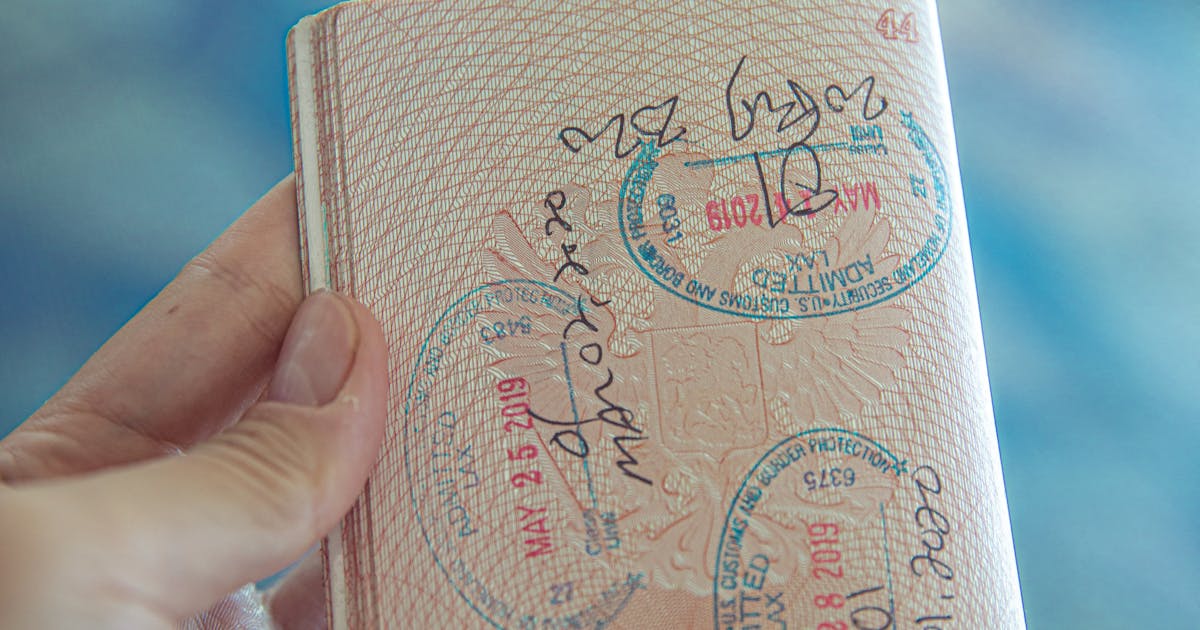
Passport and visa portals use strict photo rules. A compliant image needs correct background, dimensions, and file size.
Common passport dimensions
- US: 2x2 inches.
- EU/UK: 35x45 mm.
- E-visa portals may define exact pixel dimensions.
File size and format rules
Most systems accept JPG. Some require files under 100KB or 200KB.
Final checklist
- Neutral expression and front-facing pose.
- Clean background per country rule.
- Correct size, format, and KB limit.
Extra Practical Guidance
If you are working under a deadline, start by defining the final destination of the file first. Different destinations have different requirements: job portals may enforce strict size limits, client email threads may need smaller attachments, and internal collaboration tools may prioritize readability over compression level. Choosing the destination early helps you avoid repeated edits.
Common mistakes to avoid
- Skipping a final visual check after conversion or compression.
- Using maximum compression without verifying text clarity.
- Renaming files inconsistently, which causes upload confusion later.
- Forgetting to confirm file format requirements before export.
- Re-processing already optimized files too many times.
Quality checklist before sharing
- File opens correctly on desktop and mobile.
- Critical text, tables, signatures, and logos remain readable.
- Final size meets platform or email limits.
- Naming convention is clear and searchable.
- Final version is tested once before submission.
AI workflow compatibility tips
This workflow is useful for AI-ready preparation. You can reduce size, normalize format, and clean files before using external AI tools. The tool itself does not require AI processing, which makes it faster for routine tasks and easier to control when you only need conversion, compression, or structural cleanup.
Privacy-first reminder
All file processing happens locally in the browser. This is especially important when handling contracts, IDs, financial files, private photos, or internal documents. Keep sensitive files in local workflows whenever possible to reduce unnecessary exposure.
Recommended follow-up actions
After finishing this step, keep one archived original and one optimized output. That gives you a safe rollback option while still having a distribution-ready file for uploads, sharing, and automation pipelines.
Related Articles
Try the Tool
Need this workflow right now? Open our free in-browser tools and process files locally.
Open BrowserPDF Tools